Three local authority grants help people stay in their homes: one to adapt a home for a disability, one for essential repairs for older people, and one for smaller mobility changes.
Adaptation grant (disability)
Up to €40,000
(€20,000 for a home under 12 months old). Household income up to €75,000
Quick answer: Your local authority runs three means-tested grants: up to €40,000 for disability adaptations, €10,700 for essential repairs for older people and €8,000 for mobility aids. An assessed income up to €37,500 can qualify for up to 100% of approved eligible costs, within the relevant grant cap. Adaptation and mobility grants exclude VAT; the older people’s grant includes it. The council decides eligibility and must approve the work before it starts.
Source review · Citizens Information, gov.ie and the current application form · Sources and review
✓ Independent guidance✓ Checked against official sources✓ Explore without signing up
The three grants at a glance
Adaptation grant (disability)
Up to €40,000 (€20,000 for a home under 12 months old). Household income up to €75,000
Housing Aid for Older People
Up to €10,700 for essential repairs. Aged 66+ (younger in hardship). Income up to €75,000
Mobility Aids Grant
Up to €8,000 of approved costs excluding VAT. Assessed household income up to €37,500
Run by
Your local authority, which assesses the application and the work
Means test
Relevant gross income for the previous tax year, after applicable disregards and deductions
Rules since
1 December 2024 (higher grants and income limits)
Which grant fits your situation?
Adapting a home for a disability
The Housing Adaptation Grant for People with a Disability covers ramps, wheelchair access, accessible bathrooms, stairlifts and through-floor lifts, grab rails, fixed track hoists and extensions such as a downstairs bedroom. Up to €40,000.
Essential repairs for older people
Housing Aid for Older People covers repairs so someone aged 66 or over can keep living at home: the roof, electrical wiring, windows and doors, and heating. Up to €10,700.
Smaller mobility changes
The Mobility Aids Grant covers basic works such as grab rails, an accessible shower, ramps or a stairlift, for older people and people with disabilities on lower incomes. Up to €8,000.
How much could you get?
How the grant changes with household income
Up to €37,500
Adaptation grant maximum€40,000
Older people’s repairs maximum€10,700
Share of costs: 100%
€37,501 to €43,750
Adaptation grant maximum€34,000
Older people’s repairs maximum€9,095
Share of costs: 85%
€43,751 to €50,000
Adaptation grant maximum€30,000
Older people’s repairs maximum€8,025
Share of costs: 75%
€50,001 to €62,500
Adaptation grant maximum€20,000
Older people’s repairs maximum€5,350
Share of costs: 50%
€62,501 to €75,000
Adaptation grant maximum€12,000
Older people’s repairs maximum€3,210
Share of costs: 30%
Over €75,000
Adaptation grant maximumNo grant
Older people’s repairs maximumNo grant
Share of costs: No grant
See these figures as a table
How the grant changes with household income
Yearly household income
Share of costs
Adaptation grant maximum
Older people’s repairs maximum
Up to €37,500
100%
€40,000
€10,700
€37,501 to €43,750
85%
€34,000
€9,095
€43,751 to €50,000
75%
€30,000
€8,025
€50,001 to €62,500
50%
€20,000
€5,350
€62,501 to €75,000
30%
€12,000
€3,210
Over €75,000
No grant
No grant
No grant
Source: 2024 grant regulations and the current application form; amounts and inclusive income threshold checked 18 October 2026. Percentages apply to approved eligible costs within the maximum. Adaptation excludes VAT; older people’s repairs include VAT. For a home less than 12 months old the adaptation maximums are halved. Mobility support is up to €8,000 excluding VAT for assessed incomes up to €37,500.
Whose income counts depends on tenure. The regulations and form assess the registered owner’s income and their spouse’s for owned homes, or tenant and spouse income for qualifying rental arrangements. Spouse includes a civil partner or cohabitant. The usual period is the previous tax year; ask the council if a lasting income reduction could qualify for its current-year exception.
Some welfare payments are disregarded, including Fuel Allowance, Child Benefit and Carer’s payments for the person needing the grant. Deductions can apply for eligible children, students, housing and care costs. Ask the council which people, education conditions and deductions apply to your household before estimating an award.
Planning energy upgrades for the same home? Compare the SEAI options in our 3D explorer.
Split your proposed work into repair, access and energy items before comparing quotes. Tell the council and SEAI about other support and show each the work and costs. Ask how any overlap is treated before relying on two grants for the same bill. A council approval does not decide an SEAI application.
Two hypothetical households: what to check next
These are illustrations, not real applicants or grant decisions. No combined award is calculated.
Example 1: a roof repair and a cold home
Assume a 70-year-old owner-occupier has a leaking roof and poor insulation. Ask the council about essential repairs; list insulation separately as an energy upgrade.
For the repair application, ask what roof-condition and insurance evidence is needed. For Warmer Homes, check ownership, main residence, a home built and occupied before 2006, a qualifying welfare payment and survey suitability. Age or Fuel Allowance alone does not establish eligibility.
Example 2: an accessible bathroom and heating work
Assume a homeowner with a disability struggles to use the bathroom and also wants better heating or insulation. A basic accessible shower may fit mobility support; a larger change may need the adaptation route. The council assesses the need and income.
Get the requested medical and occupational-therapy advice before settling the bathroom specification. Keep energy work separately priced; neither the disability nor an adaptation award establishes SEAI eligibility.
Heating and boilers under the older people’s grant
Since 1 January 2025, Housing Aid for Older People can’t pay for a new oil or gas boiler. It can still pay to repair an existing boiler, replace radiators, oil tanks or pipework, extend an existing system into an extension, or install electric or biomass heating where suitable.
For low-carbon heating, check the SEAI heat pump grant. Warmer Homes has separate ownership, residence, property-age, welfare-payment and survey conditions; Fuel Allowance alone is not enough.
Who can apply?
Adaptation grant: a person with a physical, sensory, mental health or intellectual disability. The home may be owned by them or their family, rented privately (with landlord permission and an RTB-registered tenancy), provided by an approved housing body (with its permission), or a communal residence.
Housing Aid for Older People: people aged 66 or over who own the home or have a right to live in it, living in poor housing conditions. The council can help people under 66 in cases of hardship.
Mobility Aids Grant: older people or disabled people with mobility difficulties and assessed income up to €37,500. The same listed ownership and rental arrangements can qualify.
The person benefiting must live in the home when the work is completed. Council tenants should ask their housing department about its separate adaptation scheme. Approval depends on the assessed need, eligible work and the council’s decision.
How to apply
All three are applied for through your local authority, which decides the application.
Prepare income, tenure/permission and Local Property Tax evidence. Adaptation and mobility applications require the doctor’s certificate; an occupational therapist’s report is a separate requirement for specified work. Ask the council to arrange an assessment if you cannot supply it. For roof repairs, the form asks for an insurer’s non-cover letter; heating needs a contractor’s report.
Apply and wait for approval
The council assesses the application and the work. Obtain written approval before any work starts.
Get the work done
The council tells you what it needs from your contractor, such as tax details. Keep every invoice.
Confirm the payment arrangements
The grant is paid after completed work. Before agreeing a contract, ask the council about payment conditions, required evidence and who receives payment. Agree with the contractor how you will cover any costs outside the award.
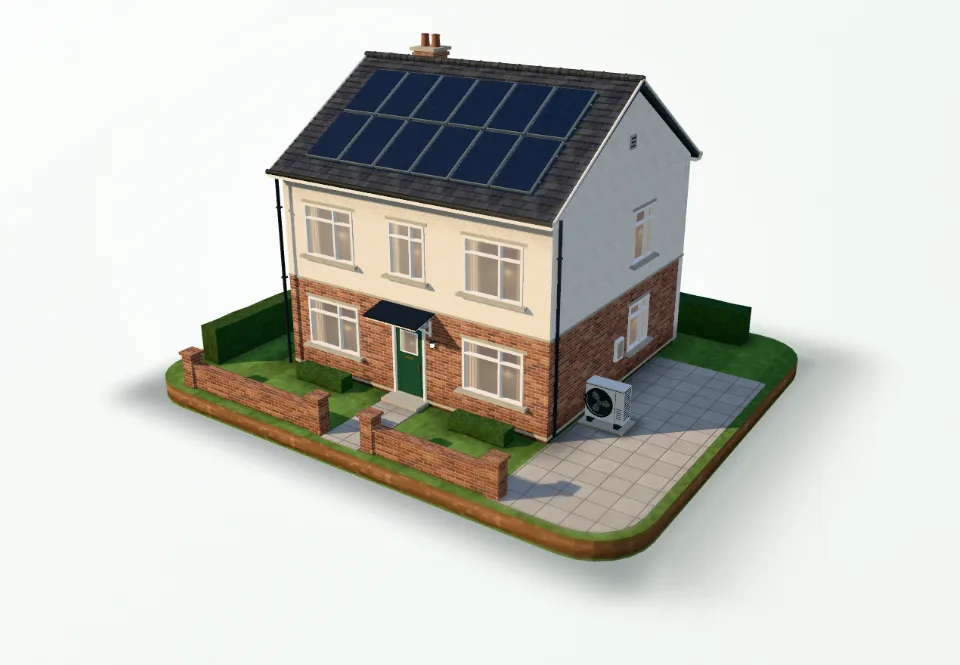
Your home in 3D
Explore the upgrades before you decide.
Select an upgrade on our 3D home to compare grant options, conditions and typical costs. When you are ready, choose the work you want and request a quote from one registered contractor who covers your county. The figures are guidance; your contractor checks the work and SEAI decides grant eligibility.
Up to €40,000 or the approved eligible cost excluding VAT, whichever is lower, at an assessed income up to €37,500 after applicable disregards and deductions. The share falls to 30% for incomes between €62,501 and €75,000; above €75,000 there is no grant. The maximum for a home less than 12 months old is €20,000.
Up to €10,700 of approved eligible costs including VAT at an assessed income up to €37,500 after applicable disregards and deductions. It falls to 30% (up to €3,210) for incomes between €62,501 and €75,000.
Up to €8,000 or the approved eligible cost excluding VAT, whichever is lower. Assessed income must be up to €37,500 after applicable disregards and deductions.
No. Since 1 January 2025 it can’t pay for a new fossil fuel boiler, but it can repair an existing boiler or install electric or biomass heating where suitable.
Adaptation and mobility grants can apply to eligible private rentals with landlord permission and an RTB-registered tenancy, or an approved housing body home with its permission. Council tenants should ask about their separate adaptation scheme. Housing Aid for Older People requires ownership or a right of residence in a privately owned home.
Housing Aid for Older People covers costs including VAT. The adaptation and mobility aids grants do not cover VAT, but you may be able to reclaim VAT on aids and appliances from Revenue.
This guide sets out which grant fits which situation and how the income test works; your local authority makes the decision. For energy upgrades to the same home, our 3D explorer shows the main SEAI options, grant conditions and typical costs. Questions: email info@homegrants.ie.
Route selection, income thresholds, tenure, evidence, heating and payment guidance checked on against the sources below. The two households are hypothetical. Full-guide review remains . Ask the council to confirm household deductions and the reports needed for your work.